What Is a Brazilian Butt Lift?
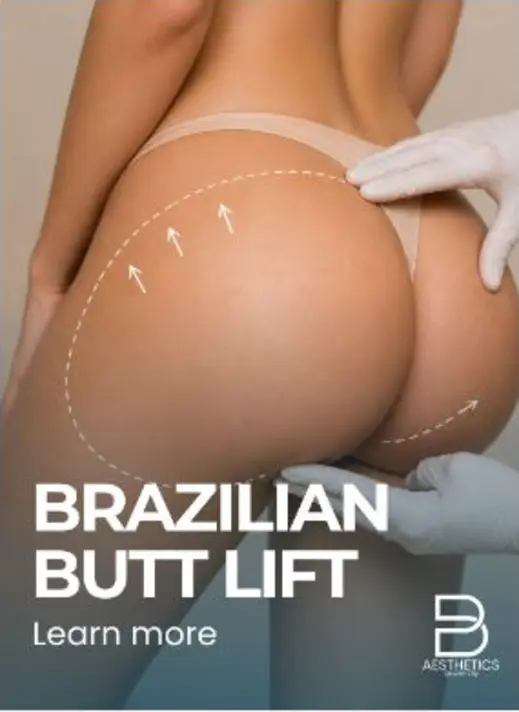
A Brazilian Butt Lift, or BBL, is a body-contouring procedure that uses your own fat to improve the shape and fullness of the buttocks and hips. Fat is removed from selected areas—usually the abdomen, waist, flanks, and lower back—then prepared and transferred to the planned areas.
At BienPoMD, BBL is performed together with Hourglass Abdominal Liposuction 360°. The goal is to improve the relationship between the waist, hips, and buttocks rather than focusing on buttock size alone.
Who May Be a Candidate?
BBL may be considered for adults who:
- Want to improve buttock or hip shape without an implant
- Have enough fat in the abdomen, waist, flanks, or lower back for safe harvesting
- Want a more defined waist-to-hip contour
- Are medically fit for major surgery and IV sedation
- Can follow the required sitting, sleeping, garment, and follow-up instructions
- Have realistic expectations about fat survival, symmetry, scars, and recovery
Patients with very low body fat may not have enough donor fat for the procedure. Skin quality, body proportions, health, medications, smoking, weight stability, and recovery capacity are also assessed during the in-person consultation.
Procedure Overview
What the ₱250,000–₱300,000 Package Includes
- Surgeon’s professional fee
- Anesthesiologist and IV sedation
- Operating room and nursing team
- Liposaver™ ultrasound-assisted liposuction
- One compression garment
- Standard postoperative medicines
- Aftercare kit
- Scheduled follow-up monitoring and guidance
The final price, treatment areas, expected fat volume, and package inclusions are confirmed after assessment. Laboratory tests, medical clearance, additional garments, or treatment outside the standard plan may involve separate costs.
Consultation, Tests, and Medical Clearance
An in-person consultation is required before surgery. Common pre-operative tests may include CBC, chest X-ray, 12-lead ECG, kidney and liver tests, fasting blood sugar, and clotting tests. Other tests may be requested based on your health history.
Patients aged 50 and above, and patients with hypertension, diabetes, heart or lung concerns, or other medical conditions, may need cardiopulmonary clearance and additional testing. Clearance does not automatically mean that surgery is appropriate; the final decision is based on the complete assessment.
Recovery and Protecting the Transferred Fat
Swelling, bruising, soreness, tightness, temporary numbness, fluid drainage, and early contour unevenness are expected. Light walking begins as advised to support circulation. Prolonged pressure on the grafted areas is usually avoided for at least 2–3 weeks, and positioning instructions must be followed carefully.
Fat survival is not completely predictable. Some transferred fat is naturally reabsorbed during healing, so the early result is not the final result. Weight changes, smoking, nutrition, pressure, activity, and individual healing can affect the outcome.
Important Limitations and Risks
BBL is body contouring, not a weight-loss procedure. It cannot guarantee a particular buttock size, exact symmetry, an hourglass shape, skin tightening, or a fixed percentage of fat survival.
Risks include bleeding, infection, fluid collection, contour irregularity, asymmetry, fat loss or fat necrosis, skin injury, scarring, numbness, blood clots, anesthesia complications, fat embolism, and the possible need for further treatment. BBL is major surgery and requires careful patient selection, surgical planning, and postoperative follow-up.
Last Reviewed: July 26, 2026